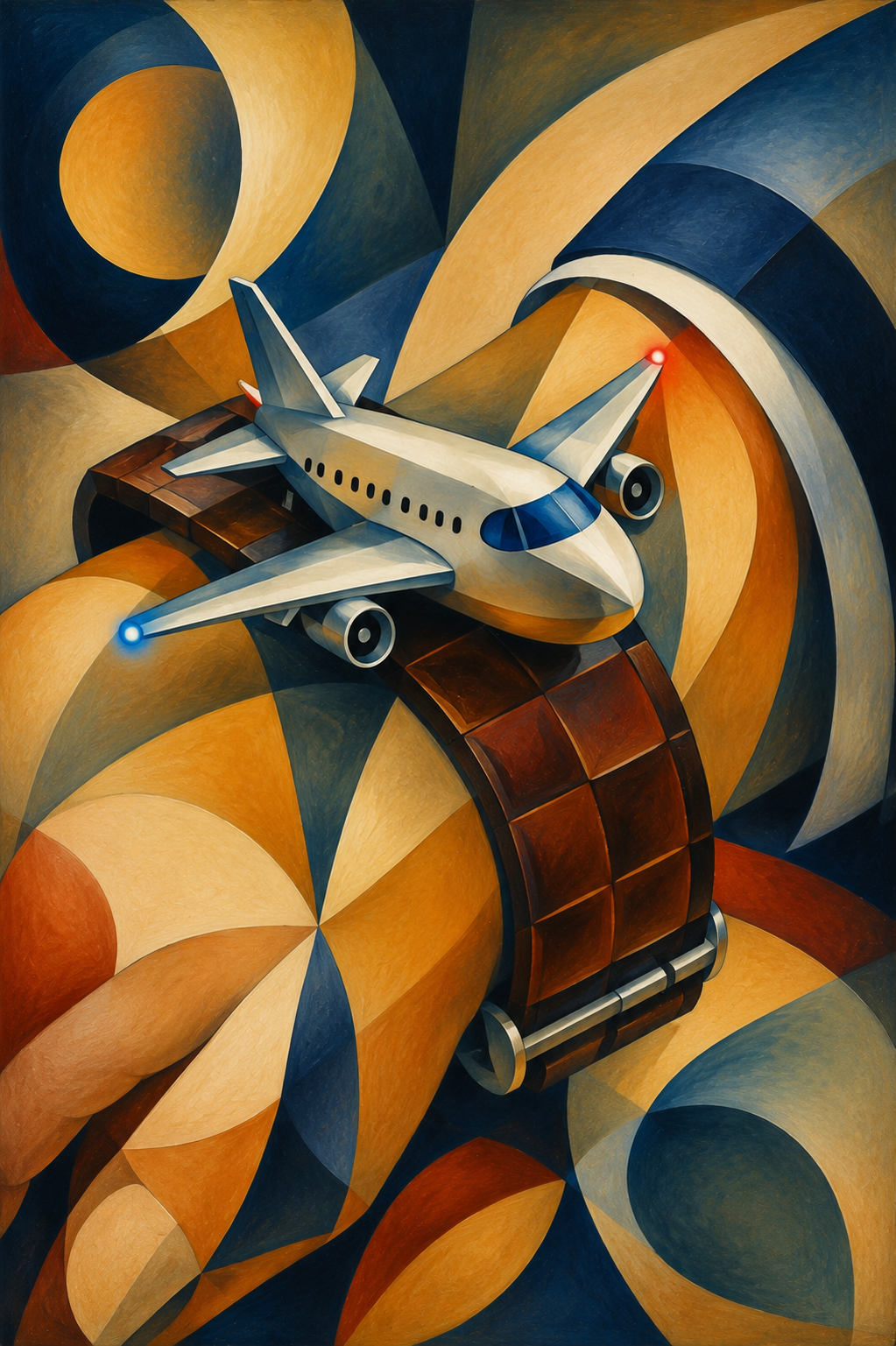
There is a crucial distinction between inspiration-driven design and idea-driven design, often blurred in contemporary discourse. Inspiration-driven design begins with an existing object or form, which is then adapted, transformed, or reinterpreted. In contrast, idea-driven design originates from an abstract concept with no predefined visual reference, requiring the designer to construct form from thought rather than from imitation.
In inspiration-driven processes, the challenge lies in morphing an existing shape to serve a new function or context. While this can demonstrate technical skill, it remains constrained by the original reference. Creativity, in this case, is limited to variation and adaptation, as the design is inherently tied to something that already exists and cannot fully detach from it.
Idea-driven design operates under entirely different conditions. It demands a rigorous process of exploration, refinement, elimination, and reconfiguration to ensure that the final form maintains coherence with the initial abstract idea. Without relying on precedent, the designer must construct both meaning and form simultaneously, making the process significantly more complex and intellectually demanding.
This approach requires a higher level of creativity—not simply to produce novelty, but to achieve a result where concept and form are inseparable. The final design does not reference something known but stands on its own, recognizable for its internal logic and conceptual integrity. It is through this process that design gains both meaning and identity.
Ultimately, the difference lies in invention versus transformation. Inspiration-driven design reshapes what already exists, while idea-driven design creates something new. The former is a controlled exercise within limits; the latter is a disciplined act of creation that represents the highest expression of design.